These case studies were developed over the course of several projects by chaplains, educators, and researchers for educational purposes. Each case study focuses on a different set of skills critical for chaplains in all settings. Explore each one; each case study is interactive and takes approximately 30 minutes to complete.
There are “checkpoints” where you can pause to think and take notes before choosing how to proceed. You will be able to download your responses at the end of the case, but no data is being collected or stored.
We encourage you to explore these cases and consider implementing them in your own classrooms.
For educators
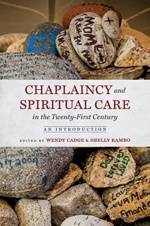
Available May 2021, Chaplaincy and Spiritual Care in the Twenty-First Century helps educators prepare chaplains for the day-to-day challenges of their work, as well as longer-term considerations for the field. Learn more here.
From the project “Educating Effective Chaplains”
Supported by the Henry Luce Foundation
This project explored the preparation and training of chaplains, focusing on three tasks critical for preparing professional chaplains for effective ministry: synthesizing scholarship and practitioner expertise; identifying specific skills and competences required for chaplaincy, both universally and in specific sectors; and supporting theological educators in strengthening their partnerships with clinical educators.
From the project “Chaplains as Facilitators of Covenantal Pluralism”
Supported by the Templeton Religion Trust
This project explored the “demand” for spiritual care: what skills do those who receive spiritual care need providers to have? Who is in need of chaplains, and where is that need going unmet? The cases below are especially helpful when training those who are not chaplains but are likely to encounter chaplains in their work. The cases follow the model used in the Case Initiative of the Pluralism Project at Harvard University; the PDFs available below each include Parts A and B about the case, followed by teaching notes for instructor use.